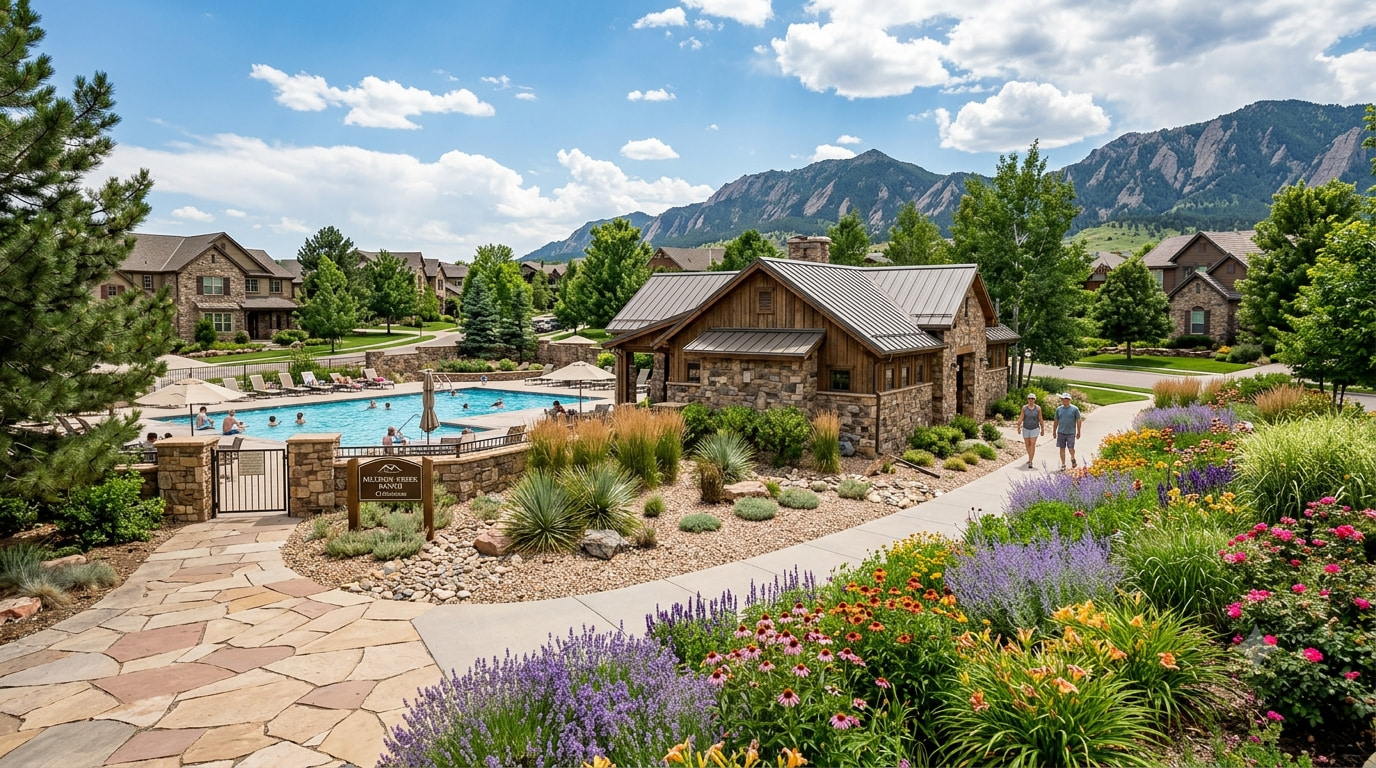
Essential Questions to Ask When Hiring an HOA Landscaping Company
HOA landscaping providers handle complex tasks like smart irrigation, environmental compliance, and liability mitigation.
By Dave Ward · June 26, 2026
TL;DR
• HOA landscaping providers manage critical mechanical, horticultural, and environmental aspects of community grounds.
• Core services include commercial irrigation systems, turf management, and woody plant care.
• They ensure compliance with environmental regulations, such as Colorado's xeriscaping laws, and mitigate liability risks like winter slipandfalls.
• Service levels should align with community infrastructure, resident demographics, and covenant restrictions.
• Cost drivers like acreage, landscaping density, and irrigation complexity determine pricing models, which can be fixedfee or variable.
• Boards should integrate grounds maintenance with longterm property preservation strategies through capital planning and risk audits.
Table of Contents
• What mechanical systems and turf services do HOA landscaping providers manage?
• How do environmental regulations and liability risks impact HOA grounds care?
• How do boards determine if their community is suited for standard or highlevel grounds care?
• What realworld examples illustrate standard versus specialized HOA landscape management?
• What are the primary cost drivers and pricing models for professional HOA grounds maintenance?
• How should an HOA board align grounds maintenance with a longterm property preservation strategy?
• Frequently Asked Questions
What mechanical systems and turf services do HOA landscaping providers manage?
HOA landscaping providers manage critical mechanical irrigation systems alongside physical turf and horticultural programs to ensure total community grounds health. They are directly responsible for the operational uptime of highvolume irrigation networks, backflow preventers, and commercial controllers. Concurrently, they oversee biological turf care, including specialized fertilization schedules, integrated pest management, and recurring mowing programs designed for hightraffic common areas.
The core operational mechanics managed by a professional provider include:
• Commercial Irrigation Systems: Regular zonebyzone inspections, spring activation, lateral line repairs, and pressurized winterization blowouts to prevent freeze damage.
• Horticultural Turf Management: Programmed seasonal fertilization, aeration, overseeding, and weed control applications designed to prevent turf degradation.
• Woody Plant and Bed Care: Correct pruning of trees up to 15 feet in height, weed removal from common area beds, and structural mulching.
How do environmental regulations and liability risks impact HOA grounds care?
Environmental regulations and safety liability risks dictate how modern HOA landscaping providers must structure their onsite operations. In droughtsensitive states like Colorado, state laws (such as Senate Bill 23178) legally protect xeriscaping, forcing providers to manage smart, waterwise environments rather than just traditional turf lawns. Furthermore, winter weather introduces immense slipandfall liabilities, making precise deicing and snow removal protocols a legal necessity for the protecting of HOA board members and homeowners.
Direct Experience Insight: Over our 25+ years of local service in Northern Colorado, we have helped numerous HOAs navigate the legal shift of SB 23178. We transitioned one large neighborhood entrance from a waterguzzling blue grass turf to a native, waterwise microenvironment. Not only did this protect the community against rising municipal water costs, but it also kept them fully compliant with Colorado's evolving environmental statutes.