Is Professional Snow Mitigation Worth the Cost? The ROI of Commercial Ice Management
Professional snow mitigation eliminates upfront equipment costs and reduces insurance premiums for businesses.
By Dave Ward · June 30, 2026
TL;DR
• Professional snow mitigation offers a strong ROI by avoiding equipment costs, reducing insurance, and preventing liability claims.
• For Northern Colorado businesses, outsourcing ensures property access, protects infrastructure, and maintains compliance with local snow clearance laws.
• Selfmanaging snow removal carries significant financial risks including high equipment costs, labor strain, and potential municipal fines.
• Professional services protect your bottom line by preventing costly slipandfall incidents, preserving property assets, and ensuring uninterrupted business operations through proactive antiicing and systematic removal.
• Commercial snow contracts provide predictable costs and transfer liability, unlike the hidden and unpredictable expenses of inhouse management.
Table of Contents
• What are the primary financial risks of selfmanaging commercial snow removal?
• How does professional ice mitigation protect a property's bottom line?
• How do the costs of commercial snow contracts compare to inhouse management?
What are the primary financial risks of selfmanaging commercial snow removal?
The primary financial risks of selfmanaging commercial snow removal include high capital expenditures for specialized machinery, ongoing maintenance overhead, and escalating insurance premiums. Businesses attempting inhouse clearance face sudden labor overtime expenses during unpredictable winter events, coupled with severe liability exposure if untrained staff fail to document conditions. Without dedicated equipment and professionalgrade deicers, organizations risk damaging their physical infrastructure and facing expensive municipal fines.
Property managers must account for these distinct financial exposures when analyzing inhouse capabilities:
• Equipment Acquisition Costs: Commercialgrade plow blades, skidsteers, and liquid brine spreaders require significant upfront capital that depreciates rapidly.
• Labor Resource Strain: Diverting standard facility maintenance staff to snow detail leads to operational fatigue, increased overtime pay, and neglect of core indoor maintenance duties.
• Regulatory Penalties: Under Section 15.26.120 of the Longmont Municipal Code, commercial properties must clear adjacent public sidewalks within 24 hours of snow accumulation, or face mandatory municipal code violation fines.
How does professional ice mitigation protect a property's bottom line?
Professional ice mitigation protects a property's bottom line by preventing catastrophic slipandfall premises liability claims, preserving physical assets, and securing uninterrupted tenant and customer access. Experienced contractors utilize proactive antiicing chemical treatments, such as liquid magnesium chloride, which prevent snow from bonding to pavements. This strategic mitigation reduces the volume of poststorm salt needed, directly extending the operational lifespan of concrete sidewalks and preventing asphalt degradation.
A commercial ice mitigation program shields your operating budget through a systematic, multilayered mitigation process:
• Proactive Weather Monitoring: Dispatch coordinators track localized atmospheric shifts, pavement temperatures, and moisture levels to deploy teams prior to snow accumulation.
• PreStorm AntiIcing Treatment: Technicians apply liquid salt brine or magnesium chloride mixtures to hightraffic pathways to prevent ice bonding.
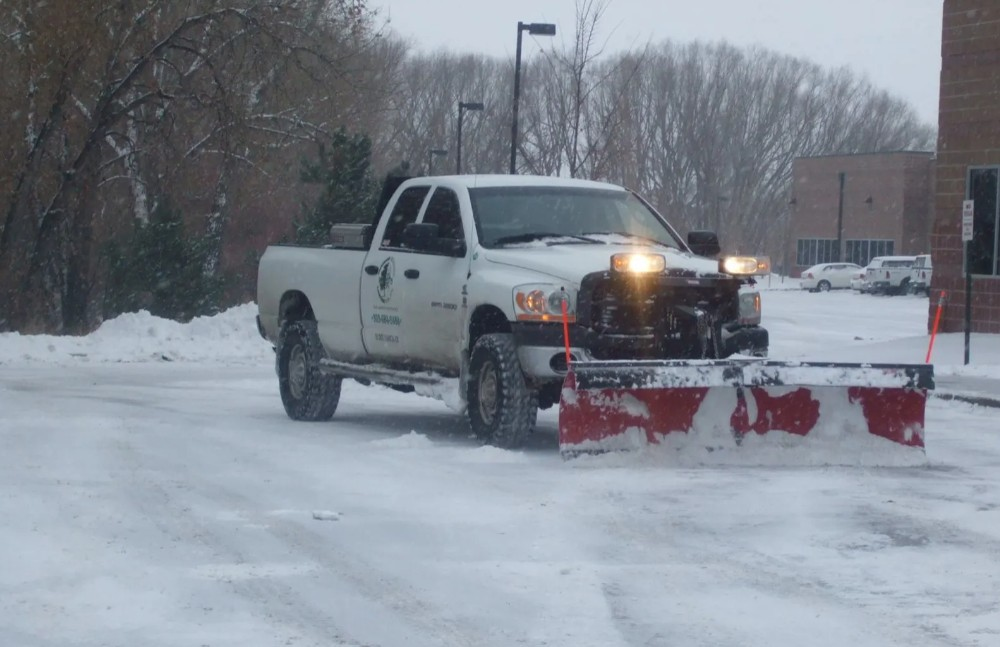
• Active Mechanical Clearance: Heavy equipment operators clear designated drive lanes, parking lots, and ADAcompliant pathways systematically during the storm.
• PostStorm DeIcing and Documentation: Crews apply calibrated granular compounds to clear remaining patches and thoroughly log onsite conditions, service times, and chemical application volumes to establish an airtight legal record.